If you are considering microblading to achieve naturally defined, fuller-looking eyebrows without the daily effort of filling them in, it is completely natural to have questions about the procedure’s safety.
As a permanent makeup artist with over eight years of hands-on experience, one of the most frequent questions clients ask me before booking is, “Are there any side effects of microblading?”
Understanding how your skin may react, what to expect during healing and which factors can affect pigment retention can help you feel more prepared before your appointment.
Here is my straightforward, professional perspective on microblading safety, possible skin reactions and why being completely honest during your consultation matters.
Does microblading cause side effects on healthy skin?
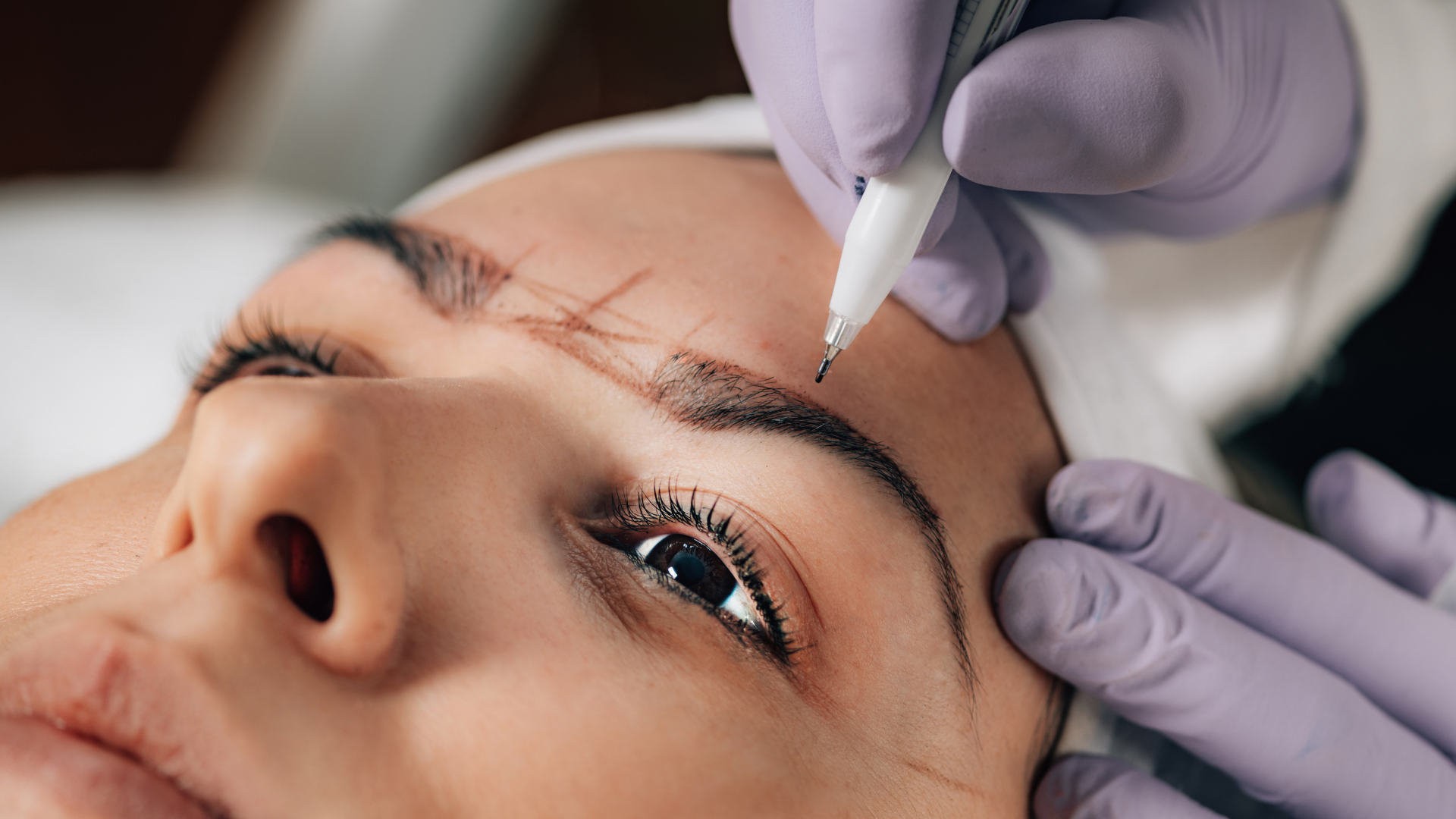
When performed by a certified, experienced professional using sterile, single-use disposable tools and high-quality pigments, microblading should not cause adverse side effects on healthy skin.
In my eight years of specialised experience, I have found that when a client has healthy skin and no undisclosed contraindications, the healing process is generally smooth and predictable.
Microblading is a form of semi-permanent cosmetic tattooing in which pigment is deposited into the upper layers of the skin to create fine, hair-like eyebrow strokes. Since the pigment is placed at a shallower depth than in traditional body tattooing, the skin heals naturally with minimal disruption.
You may notice some mild, temporary redness or minor tenderness immediately after the procedure. This usually subsides within 24 to 48 hours.
When can microblading complications occur?
While the procedure is generally well tolerated, certain underlying factors can affect how your skin responds to microblading and how well it retains pigment. This is why complete honesty about your medical history, current medications and supplements is essential during your permanent makeup consultation.
Here are some factors you should discuss with your artist before booking.
Blood thinners and certain supplements
Medications such as aspirin and ibuprofen, as well as supplements like fish oils and vitamin E, can affect blood clotting. If these are not disclosed beforehand, they may contribute to excessive bleeding during the procedure. This can interfere with pigment retention and affect the crispness of the hair strokes.
Retinoids and acne treatments
Strong topical anti-ageing and acne treatments, such as Retin-A and Accutane, can affect skin sensitivity and the skin barrier. These treatments may make microblading unsuitable until the recommended period after use has passed. Always discuss your skincare products and medications with your practitioner before treatment.
Undisclosed medical conditions
Certain medical conditions can affect the skin’s healing process and immune response. Always share relevant medical information during your consultation so your artist can assess whether microblading is suitable for you.
Your pre-procedure consultation is designed to identify factors that could affect your skin’s response and pigment retention. Being completely transparent about your health history helps your artist plan your treatment appropriately.
What should you expect during the microblading healing process?
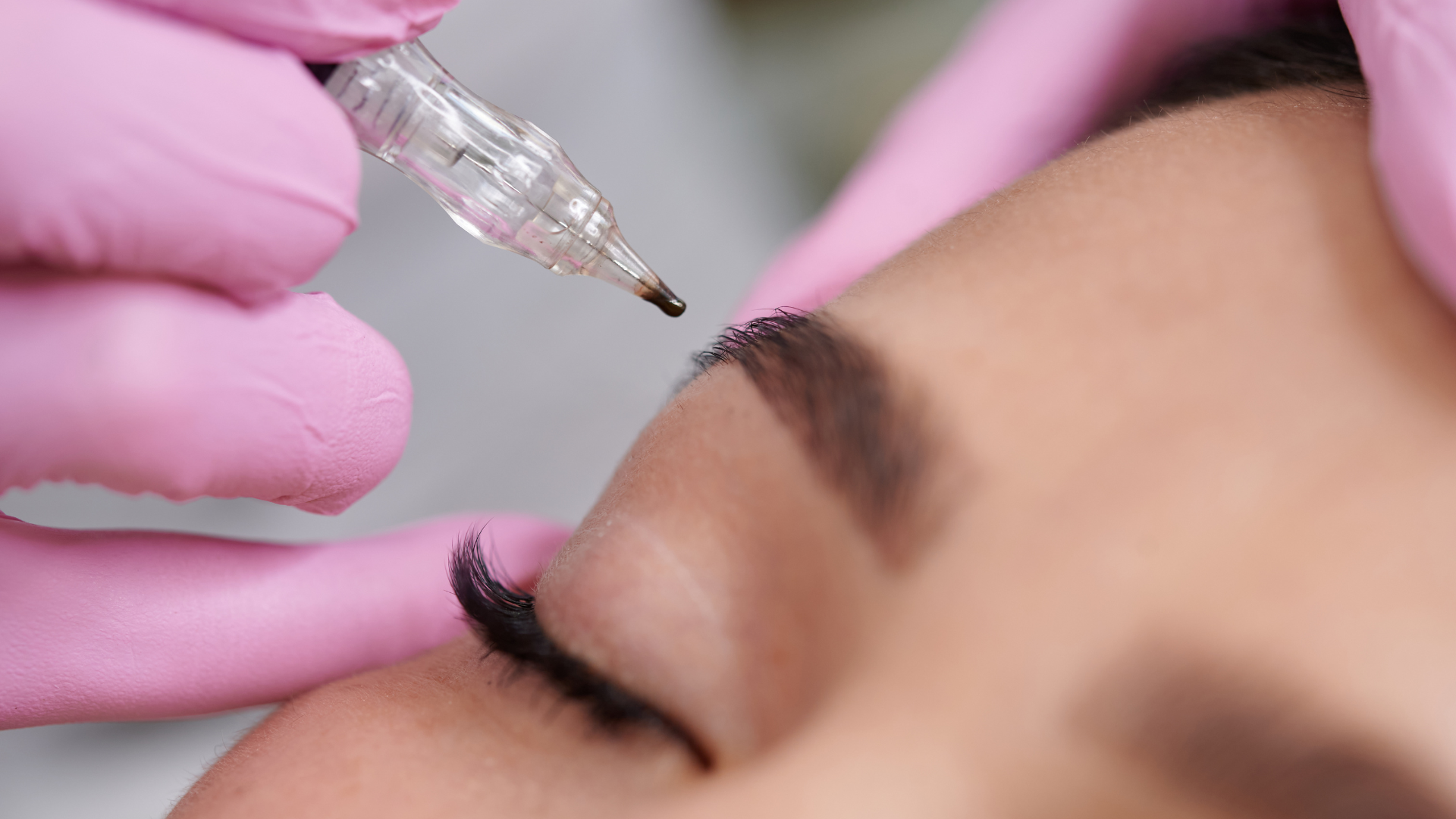
Knowing what is normal during healing and what requires attention can give you greater peace of mind after your appointment. There are two important things to understand about the microblading healing process.
The colour evolution
Right after your appointment, your brows will look darker and sharper. This is entirely normal!
Over the next 7 to 10 days, as the light micro-scabs naturally flake off, the colour will soften by up to 40%, leaving a natural, soft powdered look.
Proper microblading aftercare
Following your artist’s tailored aftercare instructions is essential for preventing issues and ensuring long-lasting results.
This includes:
- Keeping the treated area clean.
- Avoiding excessive sweating for a few days.
- Allowing any flakes to shed naturally.
Following these instructions and avoiding picking at the flakes helps support the natural healing process.
Get the brows you want with expert microblading in Romford
Microblading is a fantastic way to enhance your natural beauty without the daily hassle of pencilling in your brows. With the right artist, strict hygiene standards and complete transparency about your health history, you can enjoy beautifully shaped brows with confidence.
At SculptPMU by Mi, I offer personalised eyebrow microblading treatments in Romford, East London, designed to complement your natural brow shape, facial features and desired look.
Whether you want to add definition to sparse brows, improve their shape or achieve fuller-looking eyebrows, each treatment is planned around your individual needs.
If you are considering microblading, I would be happy to discuss your questions, understand your skin and go through any factors that may affect your treatment.
Ready to take the next step towards beautifully defined brows? Explore my microblading treatments or book your consultation today!
Frequently asked questions about side effects of microblading
Is redness after microblading normal?
Mild redness or tenderness around the treated eyebrows is common immediately after microblading. This temporary reaction generally settles within 24 to 48 hours. Follow your artist’s aftercare instructions, and if redness worsens, persists or causes concern, contact your practitioner or a healthcare professional.
Is scabbing and peeling normal after microblading?
Yes, light micro-scabs and flaking are a normal part of the microblading healing process. They naturally shed as your skin heals and the pigment settles. Avoid picking, scratching or peeling the scabs, as this can interfere with pigment retention and affect your healed results.
Why do my microbladed eyebrows look darker after treatment?
Your eyebrows may look darker, sharper and more defined immediately after microblading. This is a normal early healing change. Over the following 7 to 10 days, tiny scabs naturally flake away and the colour gradually softens, revealing a more natural-looking brow result.
Can microblading pigment disappear during healing?
Microblading pigment can appear noticeably lighter as your skin heals and the micro-scabs shed. Individual hair strokes may also seem less visible during this stage. This does not necessarily mean the pigment has disappeared. Allow your brows to heal fully and discuss any concerns with your artist.
Is microblading suitable for oily or sensitive skin?
Microblading may not deliver the same results for every skin type. Oily skin can experience faster pigment fading, while sensitive skin may require additional assessment before treatment. During your consultation, your artist can evaluate your skin, discuss your expectations and recommend a suitable eyebrow enhancement technique.
Does microblading hurt?
Discomfort during microblading varies depending on your individual sensitivity and pain tolerance. Some clients describe the sensation as mild scratching or tenderness around the eyebrows. Your practitioner may apply a topical numbing cream before the procedure to improve comfort and make the treatment experience more manageable.
How long does microblading take to heal?
The initial microblading healing process, including redness, darker-looking brows and light flaking, generally takes around 7 to 10 days. However, the final healed colour takes longer to settle. Follow your artist’s aftercare advice and attend any recommended follow-up appointment to assess your results.
Can I have microblading while taking medication?
Certain medications and supplements can affect bleeding, skin sensitivity and healing after microblading. Always disclose your current medication, supplements and skincare routine during your consultation. Your practitioner can assess whether treatment is suitable. Never stop or change prescribed medication without first consulting your healthcare professional.
Share
Related posts